
Healthcare · Clinics and healthcare centres
AI in healthcare: clinical and operational automation for clinics
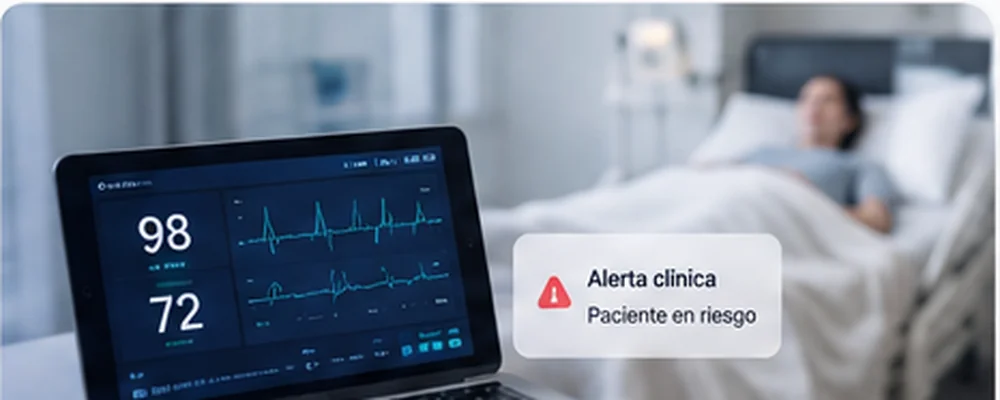
Shift updates are classified by patient, build the clinical history, and raise alerts for whatever cannot wait.

- Client
- Clinics and healthcare centres
- Sector
- Healthcare
- Product
- CurePulse IA
- Year
- 2026
In numbers
The initial problem
Information scattered across WhatsApp, internal records, and manual reports: risk of omissions, poor per-patient traceability, and excess administrative load for the care team.
The previous process
Clinical and operational updates circulated through messages and spreadsheets without being consolidated, and building each patient's record or an institutional report meant reconstructing the information by hand.
The solution implemented
An agent that reads the WhatsApp group where the team already passed along updates and, without asking anyone to change how they work, identifies which patient each message refers to even when the name is written any which way. With that it syncs nursing handovers and medical orders into the patient management system three times a day. On top of that, supply intake is handled by sending a photo: OCR reads up to five documents in a single image and files them against the right patient.
How we did it
Organizing the information that already flows
We took the channel the team already uses to pass along updates and turned it into the system's intake, without asking care staff to enter data somewhere else.
Classification by patient and event
The agent identifies who each update refers to, classifies it as a clinical or operational event, and adds it to the corresponding record.
Alerts and dashboards
We defined with the institution which situations are critical and how they are notified, and centralized follow-up by area in dashboards for daily use.
Documentation and institutional reporting
Downloadable histories and reports for audits and families, plus supply control from invoices or photos.
Integrated systems
- OCR
- Patient management system
- Dashboards
The result
Doctors stopped transcribing orders patient by patient, and the nursing team kept working exactly as before, but their reports now land structured inside the system. The institution can answer a family member with the latest handover on record, and supply intake went from manual work to a photo.
What changed in the operation
- Nursing handovers and medical orders enter the system three times a day, with nobody entering them.
- Doctors stopped typing into the system patient by patient.
- The nursing team didn't change how they work: they still report over WhatsApp.
- When a family member asks, the institution answers with the latest recorded handover.
- Supply intake is handled with a photo, up to five documents per image.
Frequently asked questions about this case
Does staff have to learn a new system?
No. Updates keep flowing through the usual channel: the agent is the one that classifies, consolidates, and builds the patient's record.
How is patient data protected?
Deployment runs on the infrastructure the institution defines, with role-based access and a log of who consulted each record. Images with personal data are anonymized before any publication.
Does it work for a small residence?
Yes. The workflow is implemented by area and grows with the institution: it can start with updates and alerts, and later add reports, families, and supplies.
Keep exploring
Other work by the team, across different sectors.
 Accounting
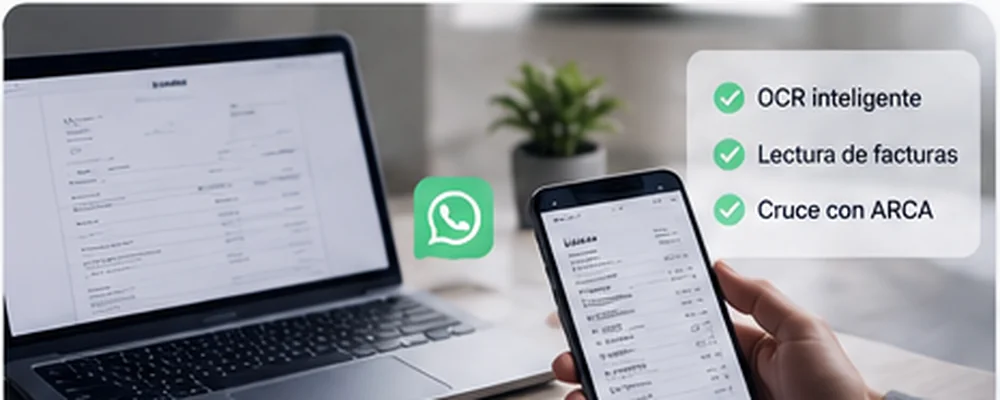
Accounting automation with AI and tax filings
A workflow that receives, reads, validates, and files the firm's source documents with no typing, plus missing-item alerts per client.- Reading with OCR and AI
- Validation against ARCA and banks
- Alerts for missing documentation
Intelligent traceability for the public sector
Field evidence capture with edge computing and computer vision, plus oversight dashboards with full traceability.- OCR of plates and vehicle type
- Geo-referenced evidence
- Oversight dashboards
 Customer service
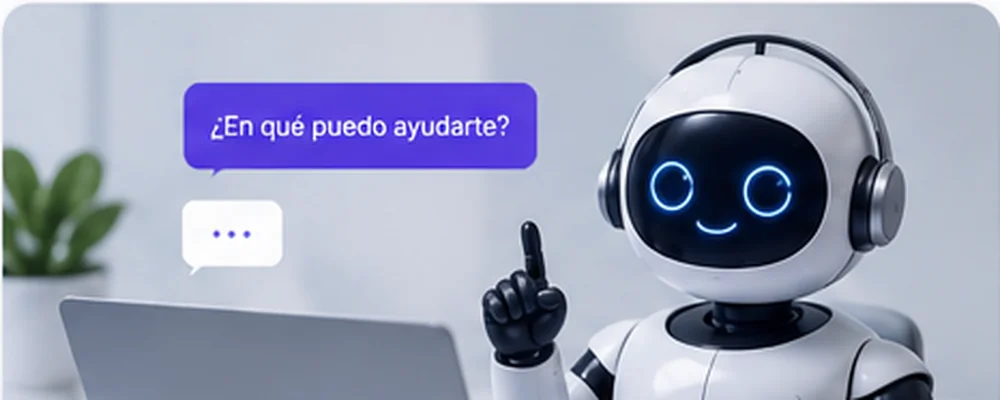
AI chatbots for customer service in call centers
Voice and chat agents that resolve repetitive queries and hand off to the operator with context, without turning back into an IVR.- Intent understanding
- Handoff with history
- Voice and digital channels
Tell us which process you'd like to improve
We'll look at how it works today and send back a concrete diagnostic: what to automate, how, and what result to expect. No cost, no commitment.