
Commerce and business management · Companies running operations on Odoo
CRM and Odoo connected to the business
Odoo, e-commerce, accounting, and external CRMs in sync, with a single version of each record and queries that don't need IT.
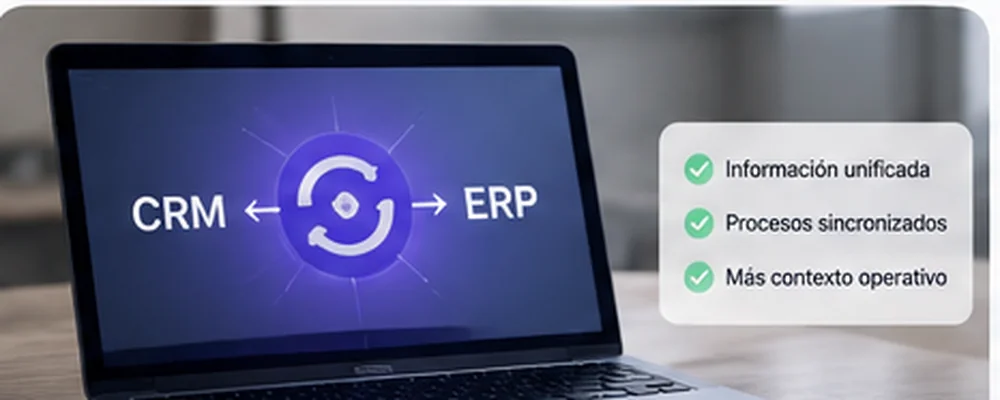

- Client
- Companies running operations on Odoo
- Sector
- Commerce and business management
- Product
- CoreSync
In numbers
The initial problem
CRM and ERP information fragmented across systems that did not communicate, with heavy technical dependence to get simple answers about the business itself.
The previous process
Data lived separately across Odoo, e-commerce, accounting, and external CRMs, and consolidating it required technical intervention case by case.
The solution implemented
Connectors and APIs for bidirectional communication between Odoo and critical systems (e-commerce, accounting, external CRMs, and internal databases), plus an intelligent CRM that brings the sources into a coherent environment and enables natural-language queries for non-technical users. Architecture with RAG, APIs, data pipelines, and a modern front end, deployable with microservices in the client's cloud.
How we did it
Inventory of systems and data
We mapped what information lives in each system, which one wins in a conflict, and which processes depend on duplicate entry.
Bidirectional connectors
We built the API integrations between Odoo, the e-commerce, accounting, and external CRMs, with sync in both directions.
Intelligent CRM over the sources
A single environment where the commercial team checks the state of the business in natural language, without asking IT for a report.
Deployment in the client's cloud
A microservices architecture deployable in the client's environment, with living documentation of the integrated workflow.
Integrated systems
- Odoo
- E-commerce
- Accounting
- External CRMs
- APIs
- RAG
The result
Greater operational autonomy, data synchronization, clearer processes, living documentation, and a unified view of the business.
What changed in the operation
- Double entry between the ERP, the store, and accounting is gone.
- The team checks the state of the business without depending on IT.
- Each record has a defined, synchronized system of origin.
- The operation is documented and easier to maintain.
Frequently asked questions about this case
Do we have to change ERP or CRM?
No. This is integration work: the systems the company already uses end up connected to each other and to a common query layer.
What if two systems hold different data for the same client?
The mapping stage defines the system of origin for each field, and synchronization respects that rule instead of duplicating information.
Can it be deployed in our own cloud?
Yes. The architecture is microservices-based and designed to run on the client's infrastructure.
Keep exploring
Other work by the team, across different sectors.
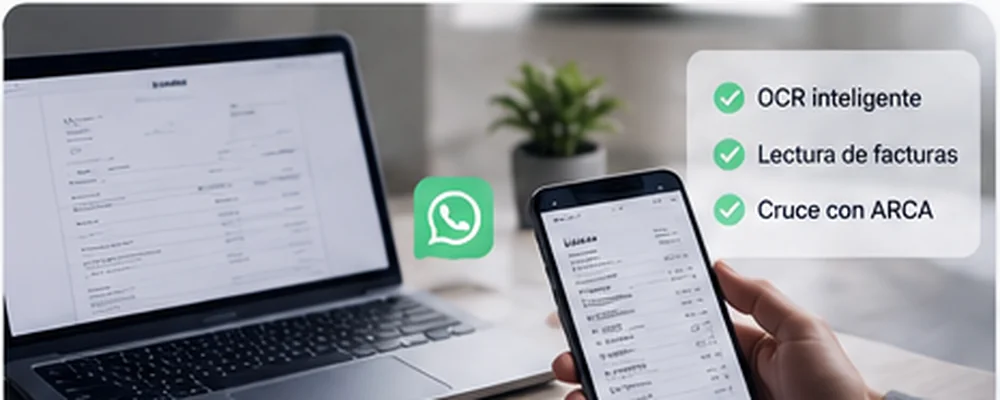
 Accounting
Accounting automation with AI and tax filings
A workflow that receives, reads, validates, and files the firm's source documents with no typing, plus missing-item alerts per client.- Reading with OCR and AI
- Validation against ARCA and banks
- Alerts for missing documentation
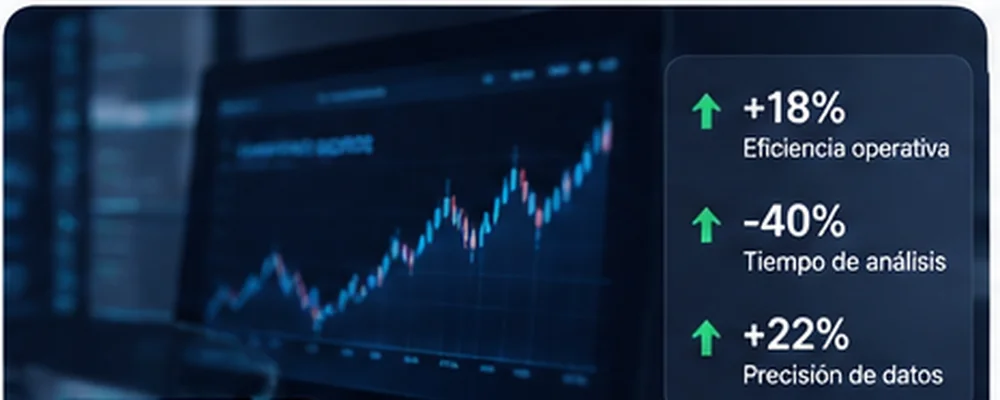
 Finance
AI for finance: market data in real time
Automatic ingestion of market sources and a RAG agent to query assets, scenarios, and context in natural language.- Multichannel ingestion
- Natural language queries
- Answers with sources
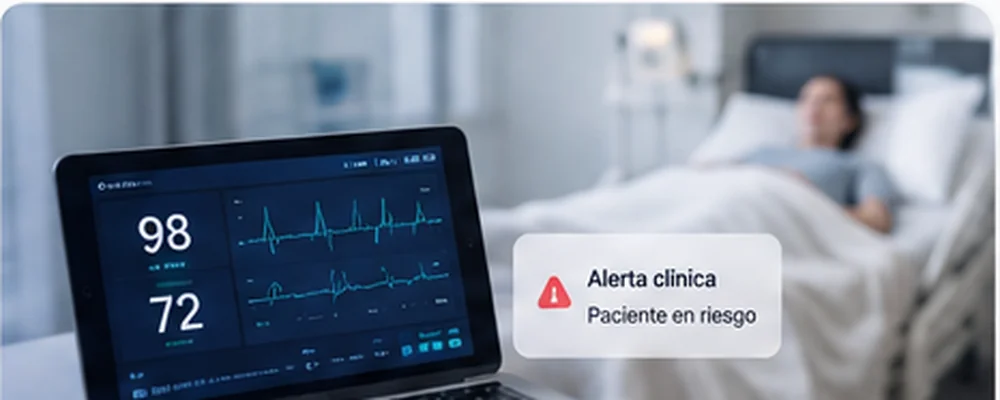
 Healthcare
AI in healthcare: clinical and operational automation for clinics
Each shift's updates classified by patient, with critical alerts, downloadable histories, and communication with families.- Record per patient
- Alerts for critical situations
- Downloadable reports
Tell us which process you'd like to improve
We'll look at how it works today and send back a concrete diagnostic: what to automate, how, and what result to expect. No cost, no commitment.